
Creating a Wellness-Focused Hospitality Experience: Why Nervous System Regulation is Key
Wellness Is More Than What You Offer. It's Ultimately About How People Feel.
Wellness has become a defining part of the hospitality experience. Guests are looking for more than a beautiful room, a restorative treatment or a few days away from their everyday lives. They want to feel calmer. They want to slow down the pace of their hectic lives, reconnect with themselves, restore their energy and return home feeling better equipped to navigate the demands of everyday life.
For boutique hotels, spas and wellness studios, this creates an exciting opportunity. But it also raises an important question: How do you create an experience that genuinely supports wellbeing, rather than simply adding more wellness offerings to your menu?
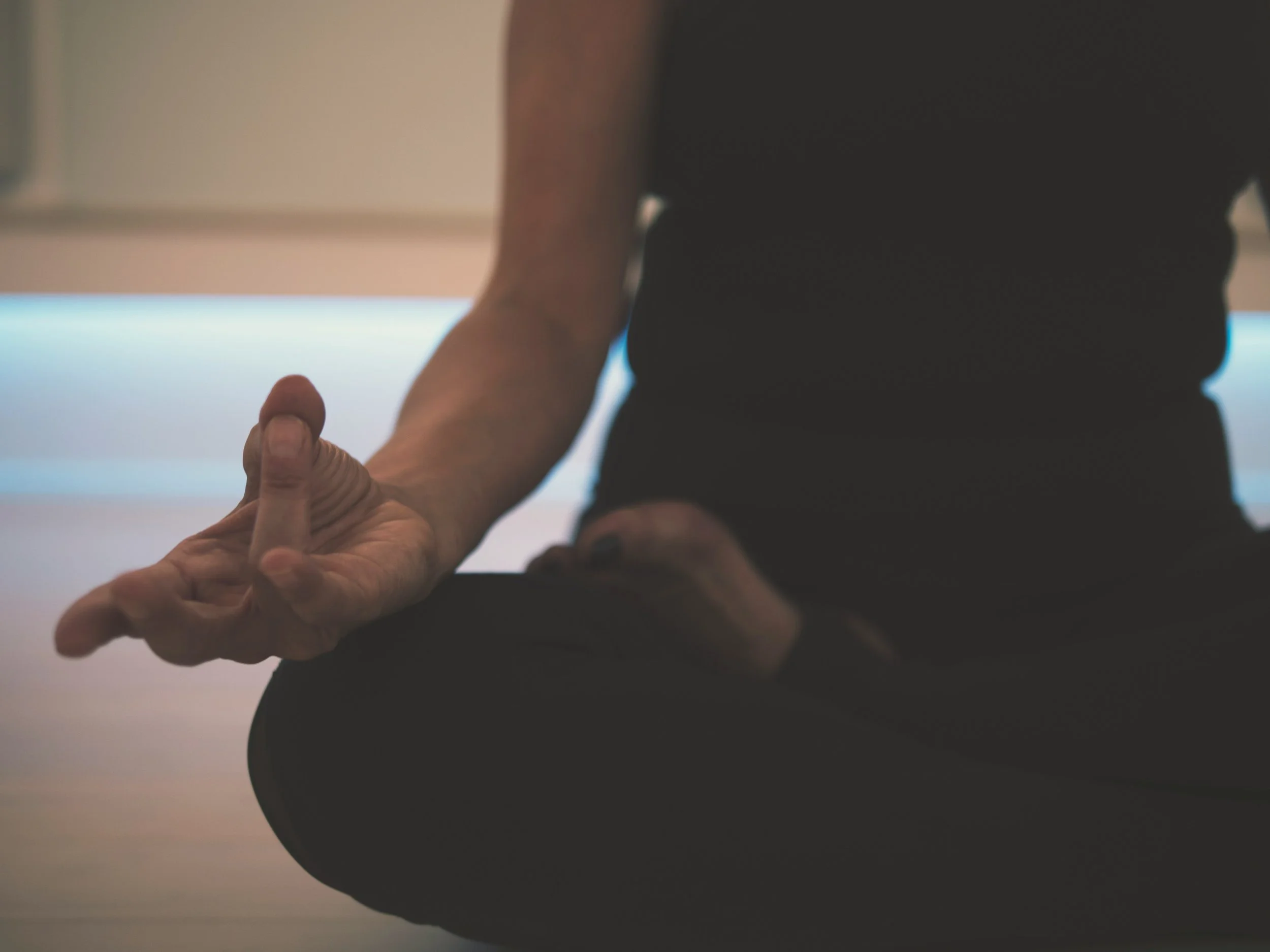
A key part of this conversation is understanding how the nervous system influences our experience of wellbeing. In recent years, nervous system regulation has become an increasingly prominent conversation in the wider wellness space. From breathwork and meditation to cold-water immersion, time in nature and sensory experiences, more attention is being given to how our bodies respond to stress and what helps us recover.
For wellness-focused hospitality businesses, understanding this connection can change how you approach everything from programming and facility design to the guest journey and the atmosphere you create.
Because wellness isn't simply about what guests do during their stay. It's also about how they feel while they're there, what the experience makes possible for them, and what they carry home afterwards. To understand how to create a wellness-focused hospitality experience that genuinely supports guest wellbeing, we first need to explore the role of nervous system regulation, then look at how this understanding can shape your wellness strategy, facilities and guest experience.
Nervous System Regulation: The Foundation for Wellbeing
When we talk about nervous system regulation, we're talking about our capacity to respond to what's happening around us and return towards a state that supports recovery when the demand has passed. This doesn't mean being calm all the time. A healthy nervous system needs to be able to activate when we need energy, focus or a quick response, and to settle when it's time to rest.
Understanding fight, flight and freeze
You've probably heard of the fight-or-flight response. Freeze is another commonly discussed response to perceived threat. These responses reflect different ways the body can mobilise, protect itself or conserve resources when something feels threatening or overwhelming.
Fight: You might feel irritable, defensive or ready to confront a challenge.
Flight: You might feel restless, anxious, overwhelmed or compelled to keep moving and doing.
Freeze: You might feel stuck, disconnected, unable to make a decision or struggle to take the next step.
But just to note, these are just shorthand descriptions rather than rigid categories or diagnoses. Our responses are complex, and not every experience of anxiety, fatigue or indecision is evidence of a particular nervous system state.
Consider how these patterns can show up in your everyday life. You arrive at work already running late. Your inbox is overflowing, a team member needs support, and 3 decisions need your attention. You become short with colleagues, struggle to concentrate and find it difficult to switch off when you finally get home.
Or maybe you've been managing responsibilities for so long that you've forgotten what it feels like to have nothing demanding your attention. Even when you have time to rest, your mind keeps moving, your body feels tense and sitting still feels uncomfortable.
These experiences aren't unusual. They show how ongoing demands can affect our ability to settle, recover and engage with the people and activities around us. When stress is prolonged and recovery isn’t sufficient, sleep, concentration, emotional regulation and social connection can all become way more difficult to manage. And this is where intentional wellness experiences have an opportunity to make a difference.
How nervous system regulation connects to everyday wellbeing
Nervous system activity doesn't operate in isolation, but instead it interacts with many aspects of our wellbeing, influencing how we feel, function and respond to everyday life. Relating it to a few of the key wellbeing aspects here:
Physical wellbeing: Our nervous system helps regulate breathing, heart rate, digestion and other bodily processes. Stress can also affect sleep and recovery. Experiences that encourage rest, appropriate movement and relaxation can support these processes alongside other factors that contribute to physical health.
Mental and emotional wellbeing: Stress can influence our attention, decision-making and emotional responses. When we're overwhelmed, it can be harder to think clearly, maintain perspective or respond thoughtfully. Opportunities to pause, settle and recover can help us regain a sense of capacity.
Social wellbeing: Our physical and emotional state can influence how we communicate, interpret social cues and respond to other people. When we're exhausted or under pressure, connection can feel more difficult. Supportive relationships, in turn, can help us feel safer and more at ease.
Environmental wellbeing: Our surroundings are so crucial. Noise, lighting, temperature, crowding, visual cues can all significantly influence how we feel. Thoughtfully designed environments, including access to nature and water, can provide incredible opportunities for restoration.
These dimensions are extremely interconnected. Poor sleep can make stress harder to manage. Stress can make it more difficult to connect with others. Movement can support wellbeing, and exhaustion can reduce our motivation to move. And, importantly, our health, relationships, financial security, living conditions and social support all influence our capacity to cope and recover.
Therefore, it’s so crucial to remember that wellbeing isn't just a collection of isolated practices, but an interconnected system of experiences, environments and circumstances.
For hospitality businesses, understanding this is an important step towards creating experiences with greater purpose.
Why Nervous System Regulation Matters in Hospitality
Think about what your guests are bringing with them when they arrive. They might be exhausted from work, juggling family responsibilities, recovering from a demanding period or simply feeling disconnected from themselves. They may have booked a spa treatment, a weekend away or a longer wellness retreat because they recognise a need for something to change.
But arriving at a wellness destination doesn't automatically mean someone can relax. A guest might enter a beautiful spa only to feel overwhelmed by noise, uncertainty about what to do next or anxiety about being late for their treatment. A retreat guest might arrive feeling mentally exhausted, only to find that even in a peaceful setting, they struggle to quiet their thoughts and fully relax. A hotel guest might have every opportunity to unwind, yet find themselves checking emails, thinking about work or feeling restless when they finally have a moment to slow down.
The opportunity is to look beyond the facilities and activities themselves and consider the experience you're creating around them. How does your guest feel when they arrive? Do they have the space and time to settle in? Is the environment comfortable and welcoming? Do the noises and smells support the creation of a restorative environment? Can they choose how they participate? Does the experience allow for quiet, recovery and unstructured time? These questions matter because the experience of wellbeing is influenced by more than the activity on offer.
A well-designed wellness experience can create opportunities for guests to slow down, feel comfortable, reconnect with their bodies and engage with their surroundings in a different way. And that opportunity doesn't need to be limited to a dedicated wellness retreat.
(In fact, a wellness retreat when someone is in a heightened state, might not even be the best call for them at all. A restorative environment with restorative experiences might be the crucial foundation they need). This can begin with the welcome at reception, the transition into a treatment room, the temperature and lighting of a relaxation space, or the way a team member responds when a guest needs help.
Every touchpoint has the potential to support (or undermine) the feeling you're trying to create.
For hospitality leaders, this is where nervous system awareness becomes a practical design consideration, instead of another wellness trend.
Start With the Transformation You Want to Create
Before investing in new facilities or expanding your wellness offering, start with one essential question: What is the core wellness transformation you are offering your guests?
Wellbeing is a broad field, and trying to address everything at once can and will dilute your focus. Understanding the primary outcome you want to create for your guests gives you a clearer foundation for your programming, facilities and overall guest experience.
For a deep dive into defining your wellness focus, and if you haven’t already, read our article The First Decision Every Transformative Wellness Stay, Spa or Space Starts With.
How to Design a Hospitality Experience That Supports Nervous System Regulation
Once you've established your purpose, you can begin translating it into practical decisions about your facilities, programming, sensory environment and guest journey. There’s no one size fits all formula that works for every business. A boutique hotel, urban day spa and nature-based retreat will have different opportunities and also constraints. The aim is to create a coherent experience in which the different elements work together to support the outcome you've chosen.
Use sensory design with intention
Our senses are constantly processing information about our surroundings. Sound, light, temperature, textures, scents and visual stimulation can all influence how we experience a space. Therefore, sensory design needs careful consideration in wellness hospitality.
Think about the atmosphere you want to create and whether your environment supports it.
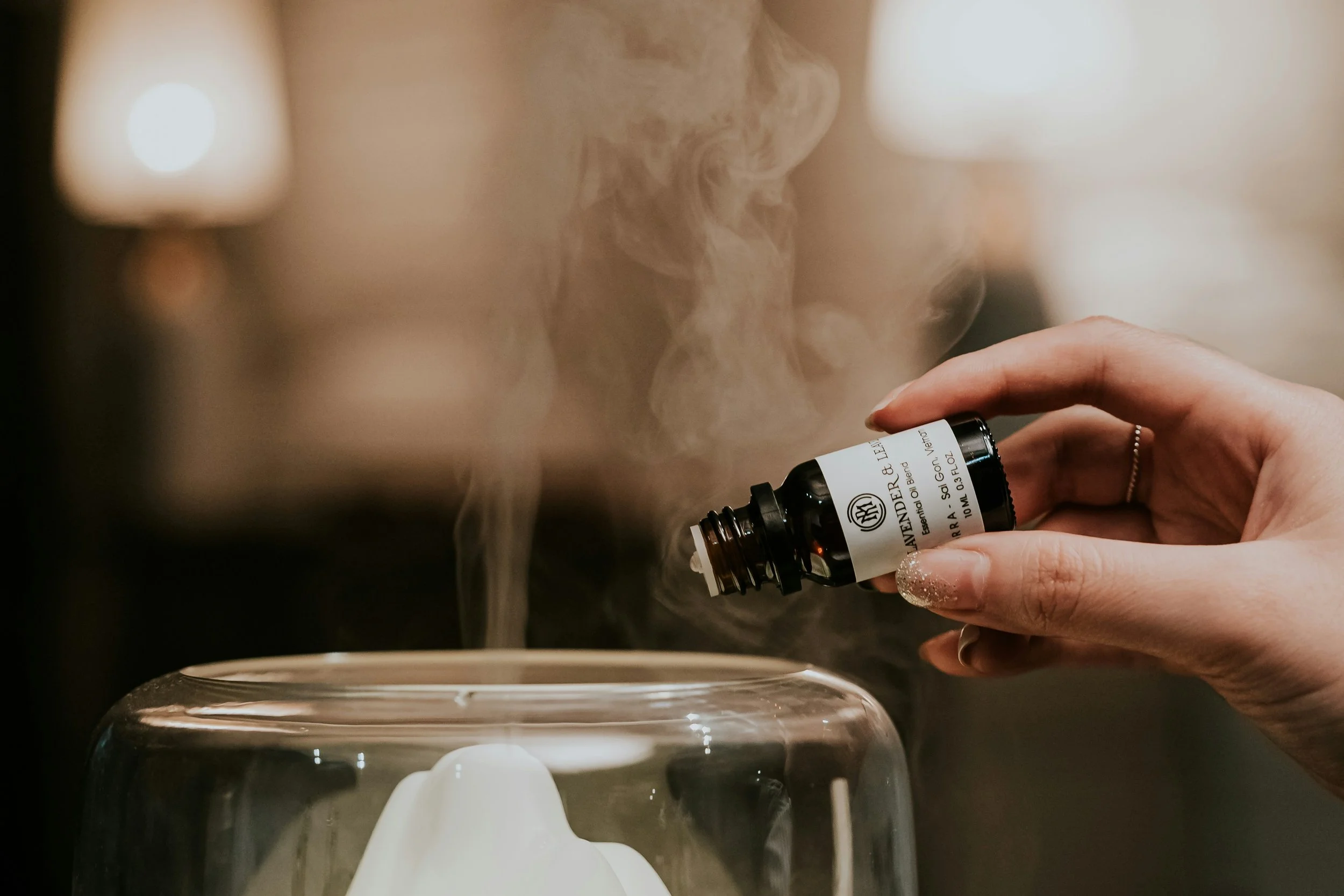
Sound: Consider acoustic privacy, background noise, music volume, type of music (and no it doesn’t all have to be slow, calm, spa-themed in every space, maybe your space has more energy - that’s great too) and opportunities for quiet.
Lighting: Use lighting that suits the purpose of each space, with softer options where appropriate for rest and relaxation, and where possible utilising natural light.
Visual: Create clear, intuitive spaces with thoughtful layouts and signage, helping guests feel comfortable and confident navigating your facilities.
Scent: Consider what fragrances provide the feeling you want guests to experience in each space.
Materials and textures: Natural materials, considered textures and comfortable furnishings can help create an environment that feels welcoming, grounded and connected to nature.
The goal isn't to make every room dim, silent or minimalist. A lively social space may be exactly right for your brand and audience. But the goal is to align the sensory experience with the purpose of each environment, while giving guests some choice and control based on their needs and wants.
Incorporate nature and blue spaces
Nature provides such a valuable opportunity to support wellbeing. Green spaces, gardens, forest settings, coastal environments and views of water can provide opportunities to pause, shift attention away from everyday demands and engage with the natural world.
Blue spaces (environments in, on or around water) are super relevant to hospitality because they can be incorporated into both natural and designed settings. Depending on your location and facilities, this might mean coastal walks, ocean views, access to a lake, outdoor bathing, swimming, hydrotherapy pools or thoughtfully designed water features. The experience doesn't always need to be elaborate, but creating a place to sit beside water, a garden with a view or an invitation to take a mindful walk can create an accessible opportunity to rest.
It’s worth considering how your setting can become an active part of your wellness offering instead of simply a backdrop. For examples, how can you encourage guests to experience the nature? Can you create opportunities for outdoor movement, quiet observation or time beside water? Can you help guests engage with their surroundings without adding another item to their itinerary?
Offer movement, breathwork and mindful practices
Movement and mind-body practices are great ways for guests to engage with their wellbeing. Depending on your audience and facilities, options might include:
Gentle yoga, stretching or pilates sessions.
Guided breathwork.
Mindfulness or meditation sessions.
Walking experiences in nature.
Tai chi or other gentle movement practices.
Restorative sessions that combine movement and stillness.
Again the key is to match the practice to the guest and the outcome you're aiming to support. Remember that not every ‘wellness’ guest wants to meditate. Not everyone finds stillness comfortable. Some people benefit from gentle movement, while others may prefer an outdoor walk or a quiet space without structured instruction. So offer options (aligned to the ultimate outcome) rather than assuming one practice will work for everyone.
Design thermal and water-based experiences thoughtfully
Saunas, steam rooms, warm-water pools, hydrotherapy and cold-water experiences are often central to wellness hospitality. These facilities can provide opportunities for relaxation, sensory engagement and physical recovery, depending on the activity and the individual.
Thermal contrast and cold-water immersion are increasingly visible in wellness culture, but they can put additional demands on the body and aren't great for everyone. Clear guidance, appropriate supervision, safe operating procedures and alternatives are essential. Think about the purpose of each facility. Is it intended to provide warmth and relaxation, support movement, offer a social experience or introduce a more stimulating physical challenge?
Then consider how guests move between experiences, how much time they have to recover and whether they understand how to use the facilities safely. A well-designed thermal journey should prioritise informed choice, suitability and recovery, rather than pressure guests to push through discomfort to achieve a perceived wellness benefit.
Build in choice, autonomy and a sense of safety
A beautiful environment and an expertly designed programme are only part of the picture. Guests also need to feel comfortable navigating the experience. Clear information, intuitive wayfinding, respectful communication and the ability to opt out of activities can help reduce uncertainty and create a greater sense of control. This matters particularly in wellness settings, where guests may be trying unfamiliar activities, using thermal facilities for the first time or engaging in practices that feel personally challenging.
Make it easy to ask questions. Explain what guests can expect. Provide alternatives where possible. Respect privacy and personal boundaries. Consider accessibility as part of the design from the beginning, including physical access, mobility needs, sensory sensitivities, different levels of fitness and the varying comfort levels guests may have with water, heat, group activities or stillness.
A wellness environment should always provide different ways to participate, so people ultimately feel welcome.
Create opportunities for rest and restoration
Rest and restoration should be considered across the entire guest journey, from arrival through to the spaces, activities and facilities guests experience during their stay. Guests may arrive carrying work pressures, travel fatigue or the demands of everyday life, so consider how the environment and pace of the experience can support their transition into a different setting.
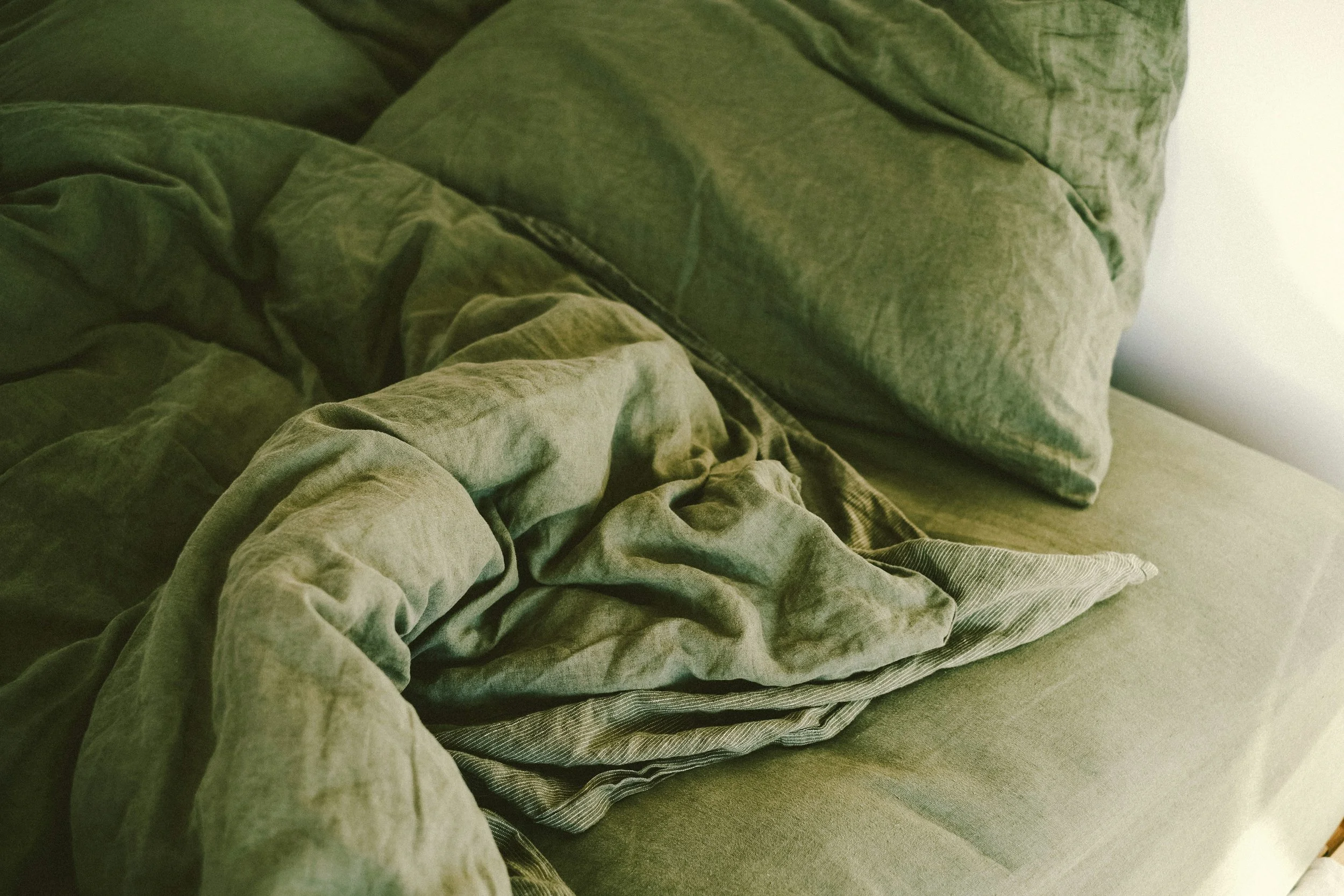
This might include a welcoming arrival, comfortable seating, quiet areas, clear information about the space and time between treatments or scheduled activities. For overnight stays and longer retreats, sleep-supportive design also matters. Comfortable bedding, appropriate temperature, effective noise management and light control can all contribute to the quality of a guest’s stay.
A thoughtfully designed environment, a well-paced programme and opportunities for guests to spend time as they choose can support a more restorative experience, without every moment needing to be scheduled or structured.
Bringing It All Together
Creating a wellness-focused hospitality experience begins with a shift in perspective. Instead of asking only which treatments, facilities or activities you should offer, ask what you want the experience to make possible for your guests.
Nervous system regulation offers a valuable lens through which to consider this question. It encourages us to look at how guests respond to their surroundings, how the experience balances stimulation and recovery, and how the physical and social environment can support their capacity to restore.
For boutique hotels, spas and wellness studios, this thinking extends well beyond the treatment menu. It influences the pace of a stay, the design of a relaxation space, the way staff welcome guests, the integration of nature and water, the balance between programming and free time, and the details that shape how guests experience the environment.
Ultimately, wellness isn’t defined by any one facility, treatment or activity. It’s shaped by how the different elements of an experience work together, and how well they align with the needs of the people they are designed to serve.
The opportunity is to translate your wellness intent into an experience that is unique, cohesive and purposeful.
At Azure Wellness Consulting, we help wellness hospitality businesses bring this thinking into practice, aligning their wellness positioning with their guest experience, facilities, programming and operations.
When nervous system regulation becomes part of how you think about experience design, it creates a more considered basis for decision-making. Rather than adding wellness features in isolation, you can build an experience where each element has a clear role in the experience you want to create, giving your business a stronger point of difference in an increasingly competitive market.
Ready to take a more strategic approach to wellness? Explore how your wellness positioning, guest experience and operational decisions can work together to create a more distinctive offering for your guests & book a free consult call today.